While at RISD I was one of the few students who, financially speaking, didn’t quite fit in. I worked full time at an off campus job on top of classes which made for a completely packed schedule.
Our final year of painting became more about the “why” than the “how” of painting. I found myself unprepared this shift, as I had poured all my energy just into just trying to exist. I had no experience with the conceptual side of art. I didn’t have the life experience or resources as a 22 year old to travel or read more or intern to enrich myself and broaden my experiences and develop a point of view as a damn oil painter. I was going purely off intuition and instinct, where I excelled.
Suddenly the thing I reveled in the most seemed to break my trust and feel unfamiliar. Why did I make this artistic choice? This entire painting? I had never stopped to consider these things before -and I realized I had no idea.
I became paralyzingly self conscious in my process, questioning everything. Should I be making my paintings bigger? Should I be making them at all? I doubted the value of my talents and my intelligence- I felt dumb. My paintings became nervous and muddy. My packed schedule felt suffocating as I forced myself through the last few months before graduation, making my worst paintings ever. I had burned out.
I had lined up a position at the same company I worked for in New Orleans and I spent the 3 months after graduation mailing my possessions down to my friends’ house with every paycheck. I would be driving down in late August with the bare essentials in my hatchback.
I subletted a big sunny room at the top of a rambling Victorian townhouse that oozed dirt from every crevice that summer. It was full of various sizes mattresses so I stacked them all into a dramatic mega-bed and set up the rest of the room as a very basic studio. Finally free of academia, I threw myself into senseless whimsy, trying to shake off my creative block.
I found myself spending more time thinking about whether or not I should do something than doing anything at all. I realized doing anything was better than nothing, so I started making quick, simple, abstract India ink drawings. Loose, gestural expressionistic shapes with no judgment. I also started sewing more and more, collaging together various materials and findings I found, creating head to toe outfits. I rediscovered making things just for fun, and I started to feel excited about where it could go again.

As I wrapped up my job and readied to leave my apartment in RI, hurricane Katrina swept through just days before my planned departure, destroying my would-be home and job. I kept the hope alive for the few days it took for news of the horrific true devastation of New Orleans to get out. Although I was obviously safe, my timing was about as bad as it could have been. A week later, and I would have been there -and at least able to save valuable paperwork etc when I obviously evacuated. I was now homeless, jobless, broke and in possession of just a car, a few changes of clothes and a shitty old dress form.


But what I did have was freedom. While many of my peers had to go where their families agreed to after school and also the hurricane, being on my own meant I could go wherever I could manage to haul myself to. And wherever ended up being Asheville, North Carolina.
Here in Asheville I met a thriving community of DIY artists and musicians and crusties of all persuasions. There were other people in Asheville who found themselves displaced by the hurricane, and it was a very welcoming, earthy, witchy and helpful community. I learned so much during my year in AVL. On the Ides of March I moved into a giant, mostly vacant and run down warehouse by the train yard. It was here that I once again had solitude like during those lonely years in Vermont. In the solitude I was able to let my intuitive side take over. In that creepy dilapidated warehouse, things whispered to me. A man told me precisely where he hung himself and when I turned back, where another had been horribly electrocuted nearby. Both turned out to be accurate as I would learn later talking to a contractor. I learned fermentation techniques, began to learn tarot and astrology, how to get everything you need from dumpsters, and get by on a fraction of what I was making back in Rhode Island.

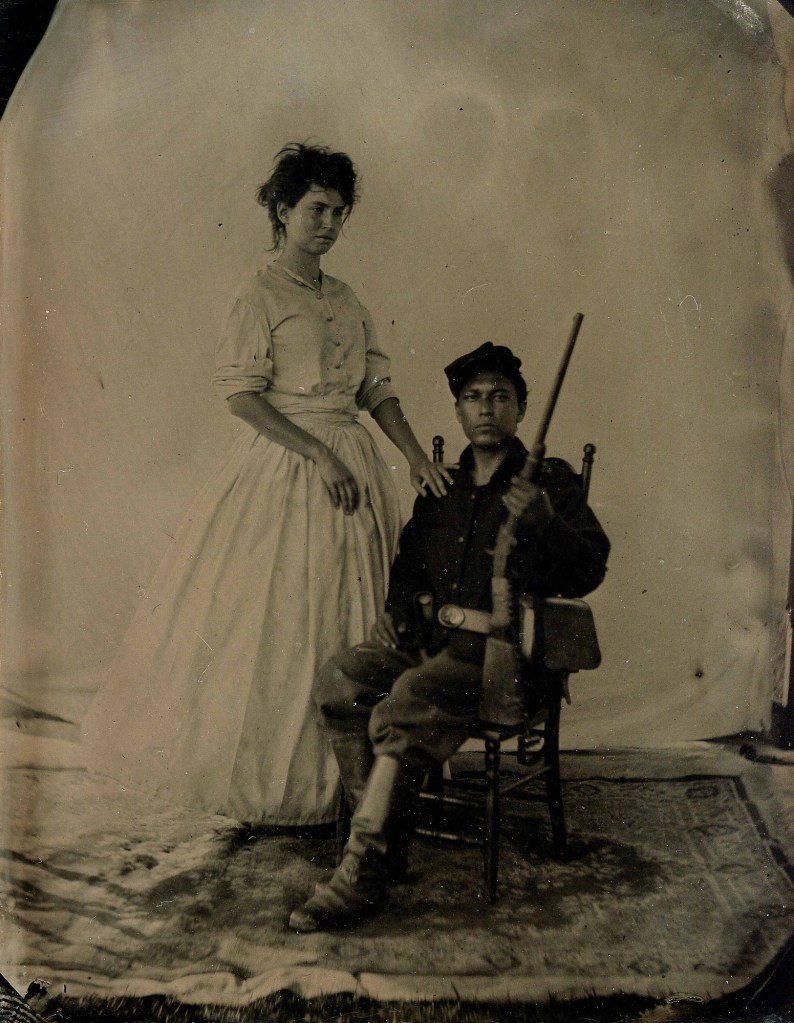
I also met a friend who grew up involved in Civil War Reenacting, and made a dress for $20 and we attended a handful of events around the south than summer. We even made the back cover of a the Camp Chase Gazette. We were representing the 1st Alabama Cavalry, a northern sympathizing southern Union cavalry regiment. Yea, it’s a mouthful. This was my introduction to studying historical pattern making and (although I couldn’t afford them yet) historical reproduction fabrics.
But, as magical as it was, life wasn’t easy in a town with such stark economic disparities, and to add to it, the gentrification of Asheville was already beginning. I knew I needed to move, and I opened myself up to all possibilities, still deep into my whimsical era. My neighbor in the warehouse was from Pittsburgh, and by coincidence a friend from work was moving there in the fall. So, it would be Pittsburgh. Yup, that’s how much thought went into moving to my home for the next (nearly) 20 years and counting. And this time I would be showing up without a job, no friends save for brand new ones I’d just met in Asheville, and accommodations consisted of the living room floor of a pre-famous Sharon Needles.
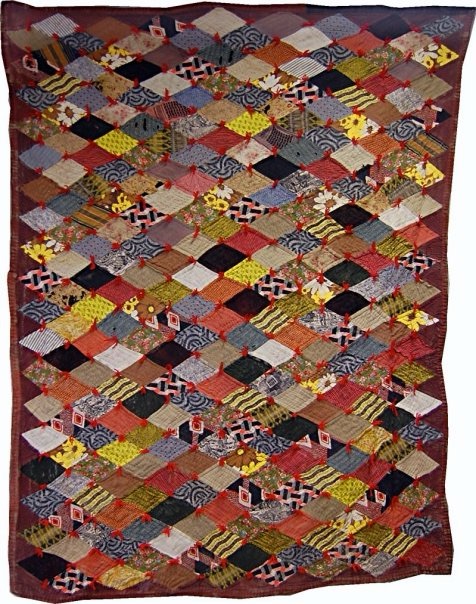
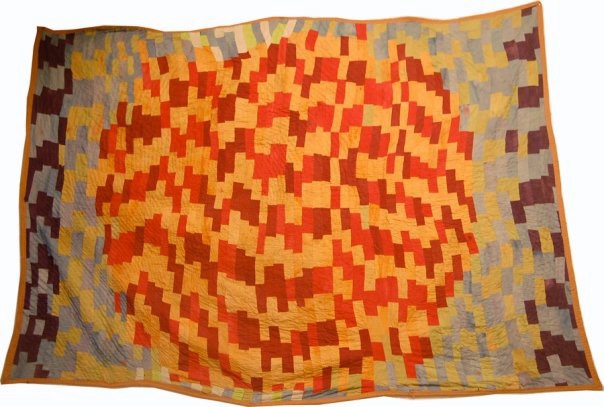
I moved to Pittsburgh sight unseen. Back then, the city was largely abandoned and bombed out due to the abrupt end of the steel industry in the region. Entire neighborhoods sat vacant, ripe for exploration and trash picking. Most of the remaining population was elderly, and when they would pass, all of their earthly possessions would be unceremoniously dumped on the curb. I collected untold troves of antique clothing and textiles, and much of my current kitchen wear is still beautiful antique enamelware I collected at this time. I used the fabric I found to make clothing and I also started making completely hand sewn quilts during this time.
I bounced around between various jobs like house cleaning and painting just trying to keep my head above water until one day, when scrubbing out a tub in a McMansion in the suburbs, I got a phone call from England. It was a production company looking for an art department for a National Geographic documentary. Without having any idea what I agreed to, I eagerly accepted.
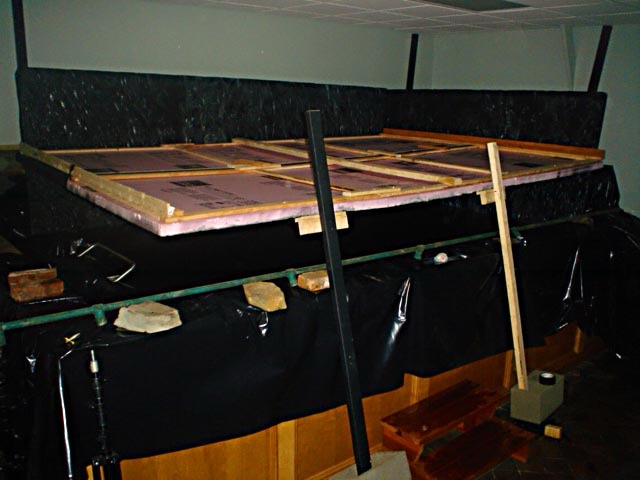
As it turned out, a friend of mine from RISD living in another city had given my contact when the UK based production company was unable to find anyone locally. The documentary (which you can watch through the link) was about the Quecreek mine disaster and rescue. I was able to enlist the help of a friend who grew up in the same circles in VT and coincidentally worked in TV and movies. The two of us made a mineshaft set which could be raised and lowered in an infinity pool to simulate the flooding, and I also assisted a few days of filming deep in an actual mine, aging items to make them like well-used tools as well as spraying down the actors to simulate flooding conditions. I still use distressing techniques I came up with while making this set to create distressed Crossfox pieces.
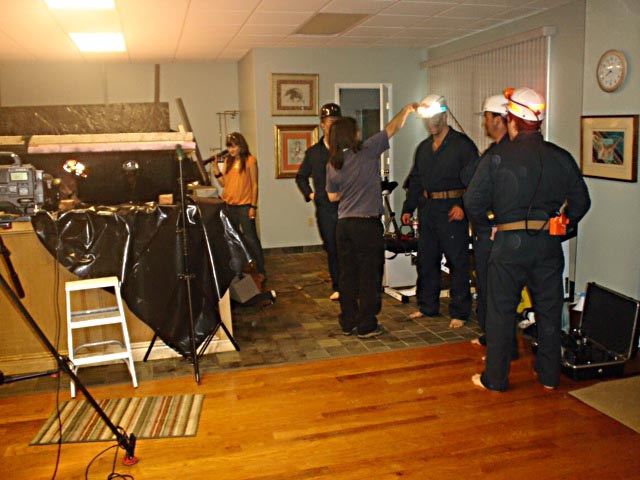
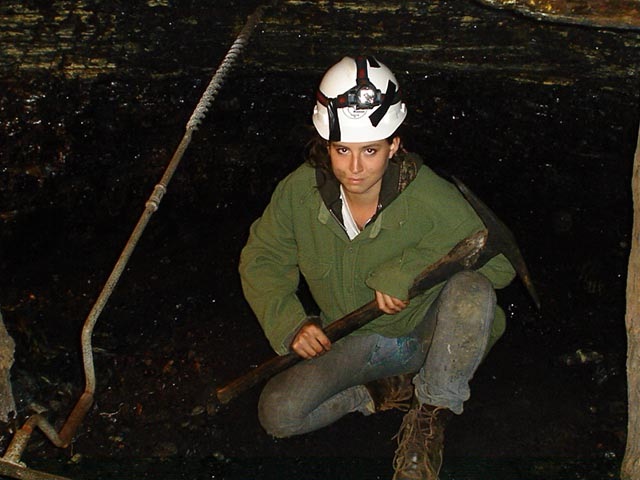
Much preferring this to scrubbing lawyers’ toilets in the suburbs, I joined the local 489 Studio Mechanics Union and spent the next few years working on Hollywood movies and tv sets. It was an exciting environment, and I enjoyed being a part of making complex projects come together, bumping shoulders with celebrities and working alongside many talented local artisans and contractors.
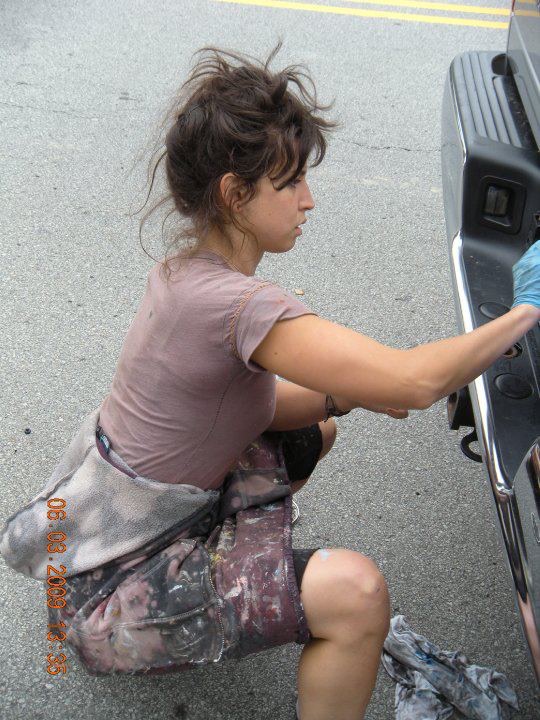
There would be months long dry spells however, and getting hired was based largely on being the first person to pick up the phone when calls started going out, meaning you basically had to be available to show up at 6 am the next morning at all times. Freedom was an illusion. What was worse to me though, was the waste. At the end of every production nearly all of the brand new construction materials were unceremoniously broken down and crammed into dumpsters. Being someone who sees value in what becomes waste, it didn’t sit right with me. That said, I cherish my time in the union.
During this time period I had managed to secure a dirt cheap and tiny efficiency apartment on a quiet dead end street. After many years of bouncing around, I finally lived alone in a space all my own again. Although it was tiny, I maxed it out with a loft bed and tons of shelving. I eventually began renting an empty room in the apartment next door, kicking a small hole through the paper thin walls between the wall studs up on the loft level. This would later become the first fabric cutting area for Crossfox.
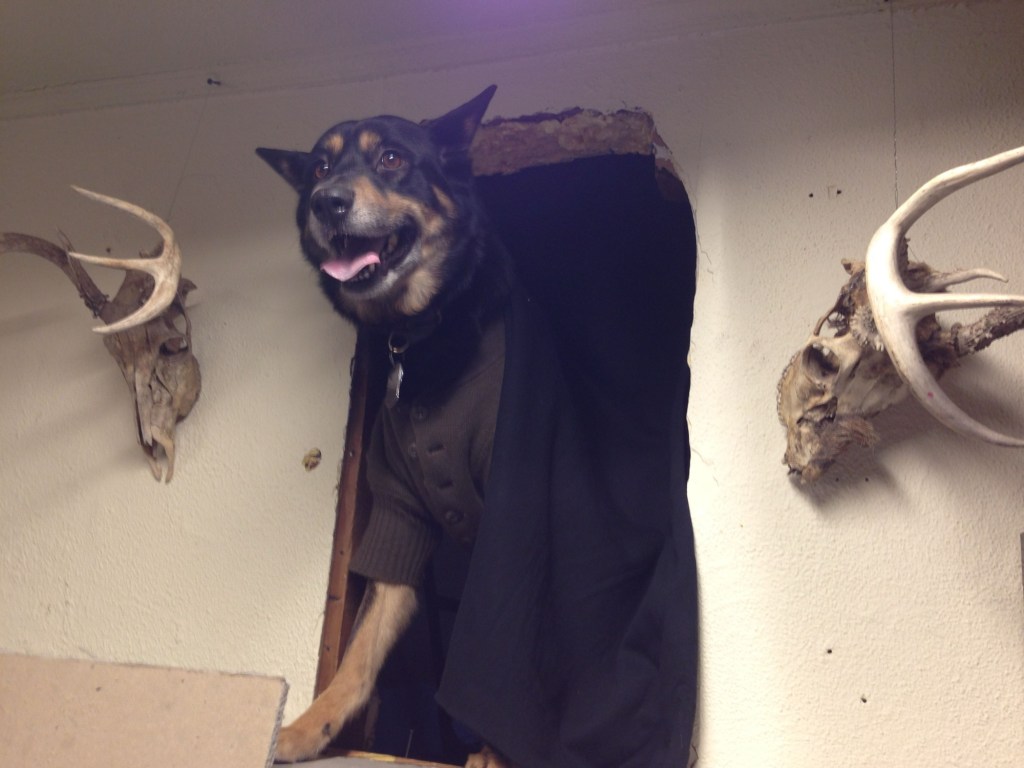
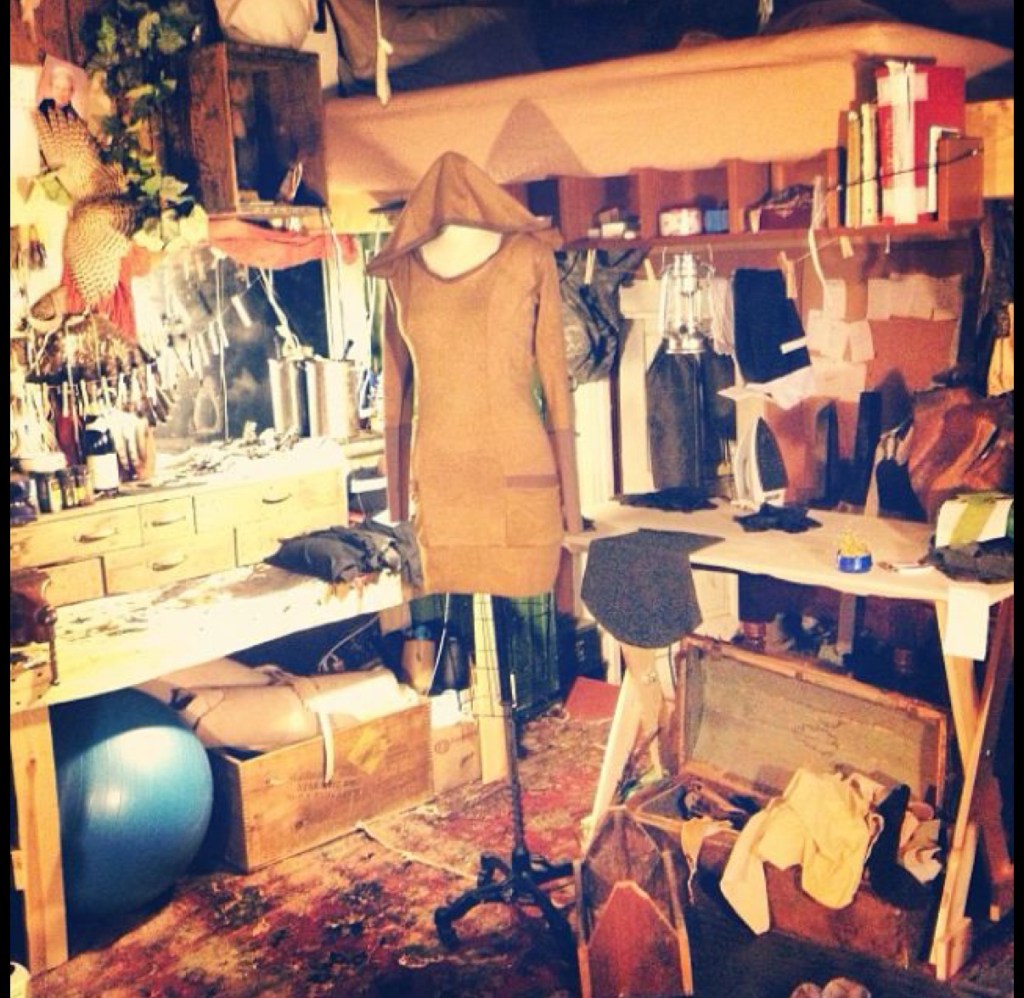
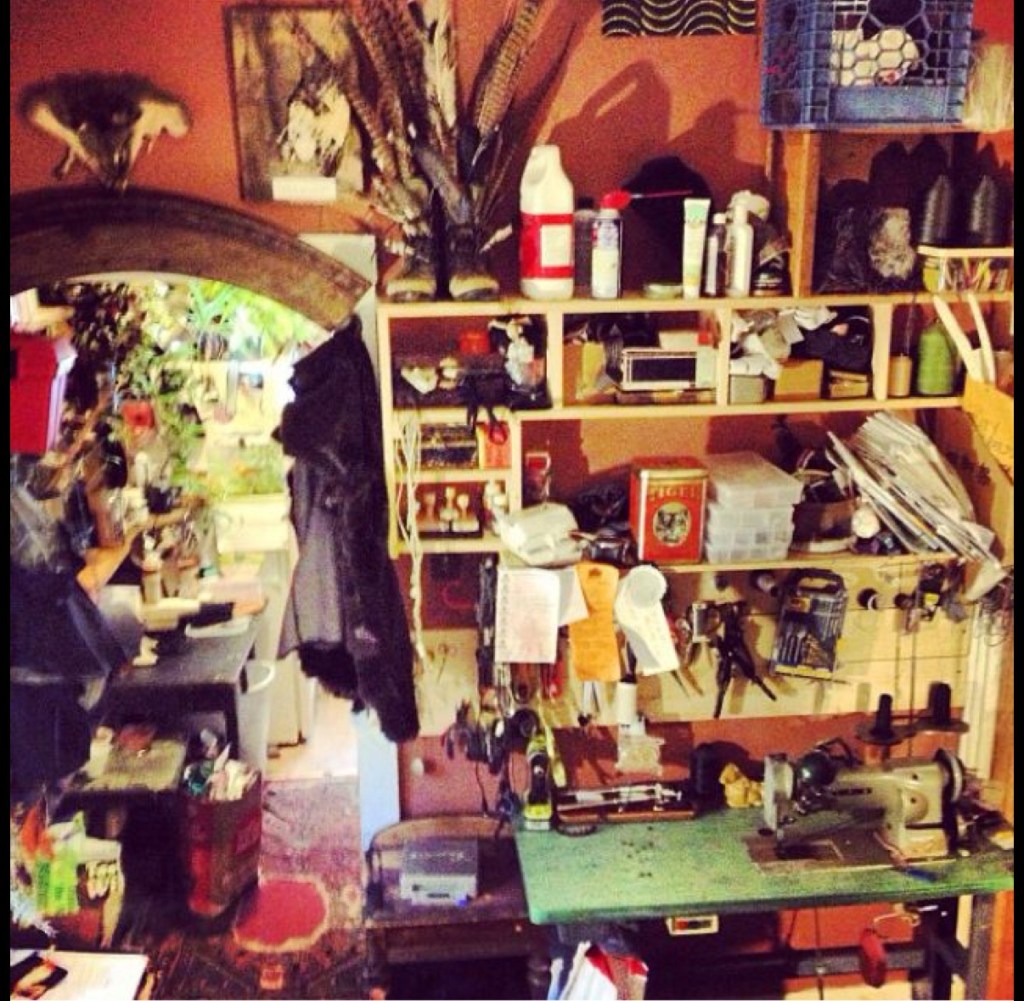
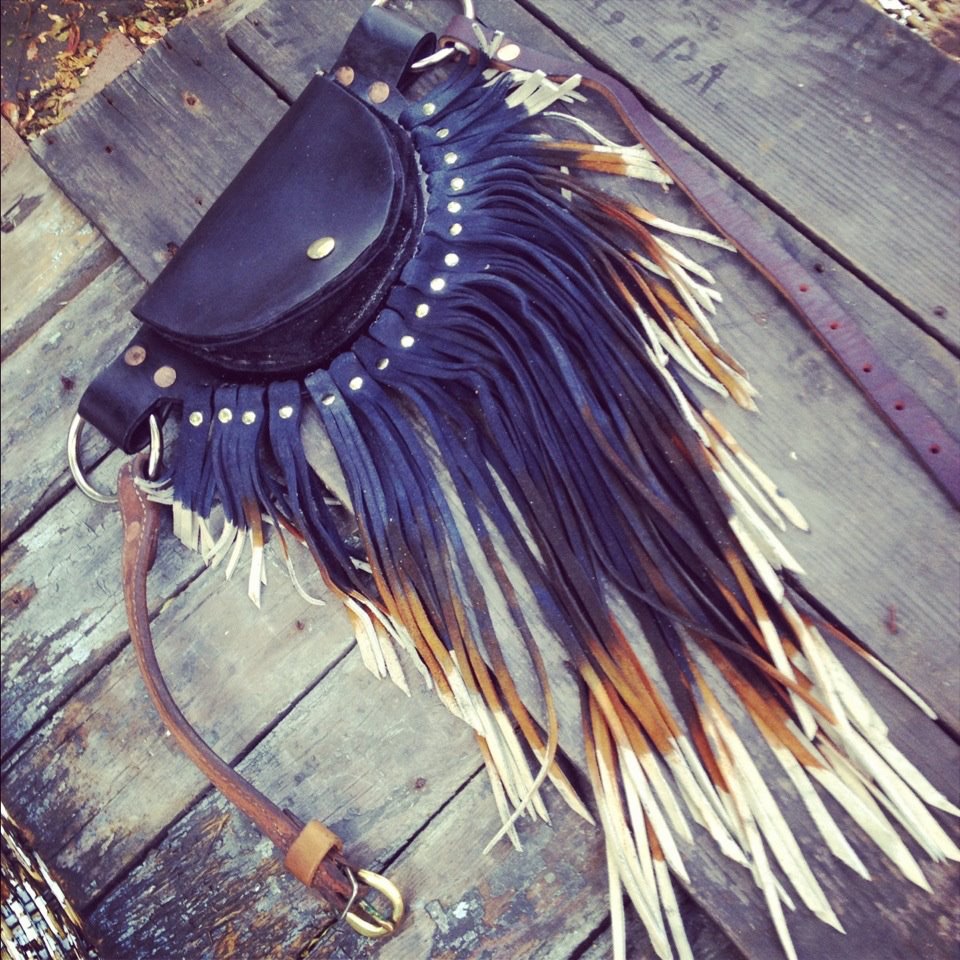
During my time with the movie union I started compiling a more complete but still quite makeshift sewing studio with industrial machines. I got a real dress form, finally ditching the flimsy thing I’d been dragging around since RISD. I got some affordable older industrial sewing machines that had been damaged in a flood but still mostly functioned, and I started collecting various materials and jewelry findings. A friend gifted me a pile of thick saddle leather and suede saved from the trash, another friend gave me some very basic Michaels jewelry pliers and out of that came the beginnings of Crossfox. In 2011, during one of the movie union dry spells I launched my shop, offering jewelry made from the findings I had been collecting and pouch belts made with the leather. I even re-used bits of bridles and other hardware.
I took the money I made from these sales and ordered a variety of stretchy fabric swatches, knowing that my clothing designs would be much more marketable if made with newer materials than what I had been pulling from the trash, and realizing that stretchy fabrics would be more forgiving fit wise. I had been making trousers/leggings and various hooded jackets and tunics for years out of old wool blankets, upholstery and whatever else I could find, but although they looked cool, it could be hard to move in them and the aged fabric tended to fall apart. Reviewing my samples, I of course fell in love with the bamboo and ordered enough to play around with.

At the time, the handmade market was quite different, and the prevailing styles were mostly either very understated pedestrian designs photographed on white or simple backdrops, or a messy “tribal” pastiche of ripped up or patchwork materials in a million colors and textures usually with little consideration of the presentation at all. I wanted to make practical clothing that reflected my personal style, but I realized it also had to be marketable if I wasn’t doing it just for myself. So I combined the elements I had been playing with for years and upgraded them with machine sewing and better materials, compromising by adding in jewel tones rather than just the more drab palette I wanted to use. I kept these early designs simple and easy to replicate as I learned how to run a business and I photographed everything with a white or sometimes camo backdrop and soft box light setup which I hoped made me look professional.
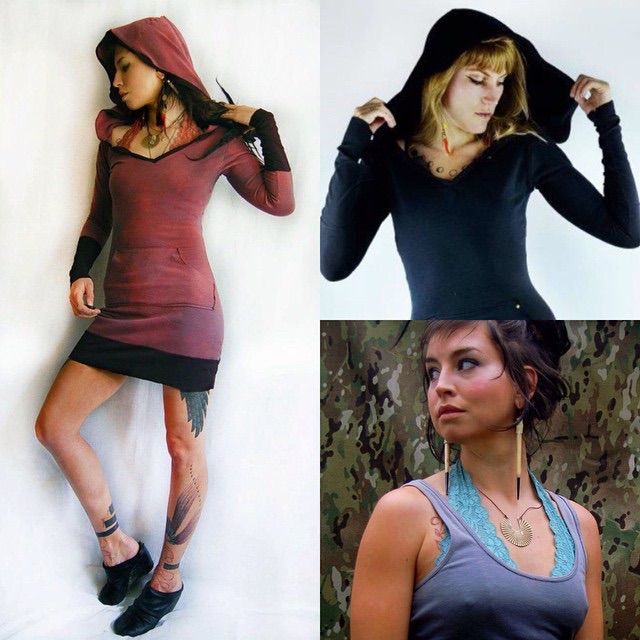
This went reasonably well, but my shop really took off when I leaned into being different. Although my designs were different enough from the status quo of the time, they needed context to be understood. I began photographing them in the woods off the dead end of my street and at a dilapidated farm outside town. This all sounds beyond basic now, but the important part isn’t exactly what I did, it’s that what I did was not the gold standard norm of the time which would seem like the obvious choice. Instead, I went with what my gut drew me to, and the opportunities that organically presented themselves to me, not knowing what the outcome would be. I suddenly stood out against a sea of white backgrounds. My pictures combined with my designs evoked something fresh and different back then. An attitude, a magic bubble. And that’s when it all started to take off. Slowly, I was able to shift more fully into my vision, only using bright colors when I feel like it and being unabashedly drab- but not without backlash. When I first switched over to primary offering muted drab colors, I received angry comments. Again, this seems strange now. Had I attempted to replicate what I saw working for others and never taken a risk, I wouldn’t be sitting here writing this.
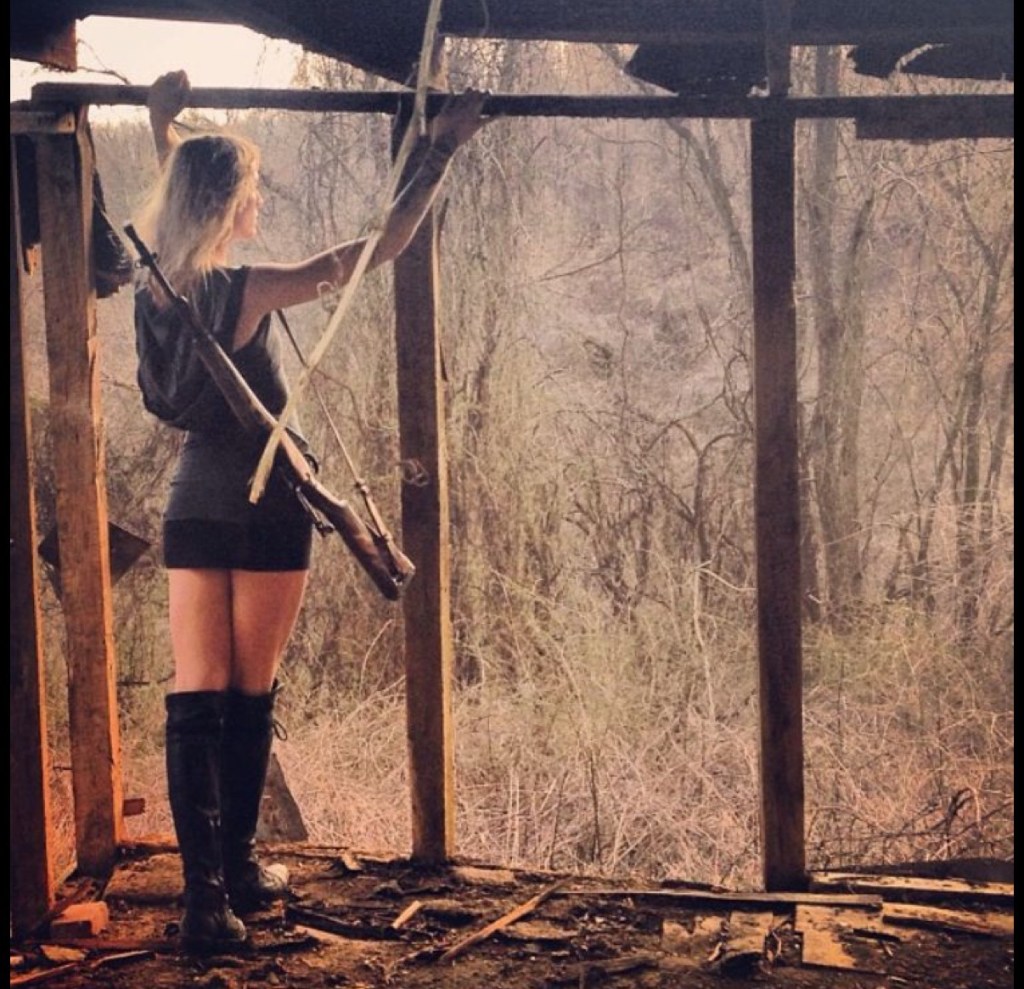
Becoming a working artist has been a very personal journey for me. There’s a lot I’m leaving out, perhaps to be written about another time. Some of it might always be too personal and spiritual. There is a lot that I allow to stay behind the scenes, protected like a fragile flower. The source. Although I don’t paint anymore, I consider my creations to be my art. Much of the core of my design work is deeply informed by my personal experiences. My design process is still mostly intuitive, with many of my best ideas coming to me as I drift off to sleep.
As I learned from the hurricane, I never count on anything 100%. I’m more nervous than my customers before every collection. But mostly what I feel is deep gratitude that I have been able to connect with such incredible people that not only value my creations but want to participate in and add to this unfolding vision, wherever it takes us.
And so there you have it, I finally wrote it all down in gory detail. I’d love to hear from others who have gone through hard times in any stage of life and turned it into something better. I am also open to answering any questions, and of course, thank you for reading 🦊


 Crossfox
Leave a comment